The Ultimate Guide to Crafting the Perfect Charcuterie Board
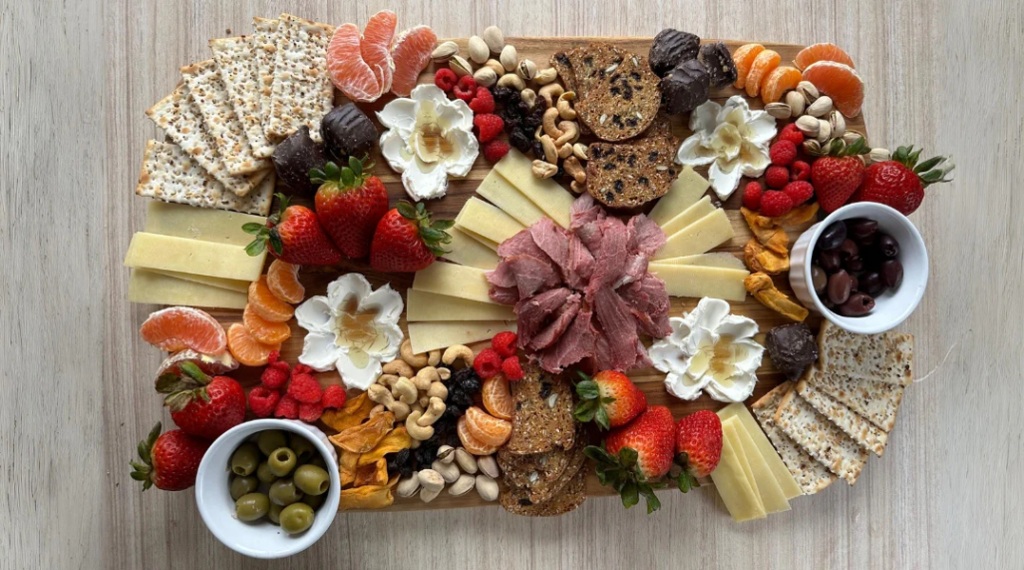
Welcome to The Ultimate Guide to Charcuterie Board Catering, your go-to resource for mastering the art of creating stunning and delicious charcuterie boards. Whether you’re planning a small gathering or a large event, this guide will provide you with everything you need.
What You’ll Learn:
- Understanding the Basics: What defines a charcuterie board and how it has evolved over time.
- Essential Ingredients: A deep dive into the meats and cheeses that form the foundation of any great board.
- Accompaniments and Garnishes: Tips on selecting the perfect fruits, nuts, and other elements to elevate your board’s flavor profile.
- Step-by-Step Assembly: Detailed instructions for arranging components aesthetically.
- Creative Presentation Techniques: Innovative ways to present your boards that add flair and appeal.
- Catering Like a Pro: Cost considerations, serving sizes, and tips for selecting the right caterer.
- Unique Ideas and Trends: Explore themed boards, seasonal ingredients, and current trends like vegan options or dessert boards.
For detailed crafting guidance, make sure to visit Charcuterie Creative where you can find additional inspiration and tips. If you’re looking for unique offerings such as a small crudite board that serves approximately 10 guests, they have you covered too.
Discover how to build a charcuterie board that not only tastes amazing but also looks like a work of art. Dive in and start creating unforgettable culinary experiences for your guests!
Understanding the Basics of Charcuterie Boards
Definition and Explanation
A charcuterie board is a curated selection of meats, cheeses, and accompanying foods presented on a flat surface, typically a wooden board. The goal is to offer a variety of flavors, textures, and visual appeal, making it a feast for both the eyes and the palate. Key components often include:
- Cured Meats: Salami, prosciutto, capicola
- Cheeses: Hard varieties like cheddar or gouda; soft varieties like brie or camembert
- Accompaniments: Fruits, nuts, olives, spreads
Charcuterie boards are versatile and can be customized to fit different tastes and dietary needs. For instance, you can explore various options from acatering menu that offers a wide range of selections.
Historical Origins
The term “charcuterie” is derived from the French words chair (flesh) and cuit (cooked). This culinary art dates back to 15th-century France, where it was developed as a method to preserve meat before refrigeration. Over time, charcuterie evolved from a practical necessity into an artisan craft.
In recent years, charcuterie boards have gained immense popularity at social gatherings and events due to their aesthetic appeal and the gourmet experience they offer. Today’s boards not only feature traditional European cured meats and cheeses but also integrate global flavors and vegan alternatives.
By understanding these basics, you lay a solid foundation for crafting your own unique charcuterie board tailored to any occasion. Whether you’re looking for alarge fruity beauty board for a big gathering or a smallerlocals board, there are plenty of options available online. You can evenshop for specific boards that suit your preferences or directly manage your orders through youraccount.
Essential Components of a Charcuterie Board
Types of Meat for Charcuterie Board
Cured meats are the backbone of any charcuterie board, offering rich flavors and textures. Some popular choices include:
- Salami: Known for its robust and spicy flavor, salami comes in various types such as Genoa, peppered, and soppressata.
- Prosciutto: This Italian dry-cured ham is silky and slightly sweet, perfect for draping over bread or pairing with fruit.
- Capicola: A type of dry-cured pork shoulder or neck, capicola offers a balance of spice and tenderness that complements cheese well.
Types of Cheese for Charcuterie Board
Cheese varieties play a crucial role in balancing the flavors on your board. It’s essential to have a mix of hard and soft cheeses:
- Hard Cheeses:
- Cheddar: Sharp and crumbly, it pairs wonderfully with cured meats.
- Parmesan: Nutty and salty, adding a distinct flavor profile to the board.
- Soft Cheeses:
- Brie: Creamy and mild, it spreads easily and pairs beautifully with fruits and nuts.
- Goat Cheese: Tangy and smooth, often garnished with herbs or honey for added complexity.
Combining these elements ensures your charcuterie board is both diverse in flavor and texture, creating an engaging culinary experience for your guests. To further enhance this experience, consider exploring some unique offerings likemini snack boxes orburrata boards fromCharcuterie Creative. These options can add an exciting twist to your traditional charcuterie setup.
Accompaniments and Garnishes That Elevate Your Board’s Presentation
Enhancing Flavor Profiles with Accompaniments
Incorporating a variety of accompaniments can transform a simple charcuterie board into a multi-sensory experience. These additions not only complement the flavors of meats and cheeses, but they also introduce new textures and tastes that delight the palate.
- Fruits: Fresh fruits like grapes, figs, and berries add a burst of sweetness and juiciness.
- Nuts: Almonds, walnuts, and pistachios provide a satisfying crunch and nutty undertone.
- Olives: Both green and black olives introduce a salty, briny element that pairs well with rich cheeses.
The Role of Garnishes in Aesthetic Appeal
Garnishes play an essential role in creating an inviting and visually stunning charcuterie board. They bring color, texture, and an element of surprise to the presentation.
- Herbs: Fresh herbs like rosemary or thyme can be used to add both fragrance and color.
- Edible Flowers: These can elevate the visual appeal with their vibrant hues.
- Pickles & Seasonal Vegetables: Including pickled items such as pickles or seasonal vegetables adds tanginess and crunch while enhancing the board’s rustic charm.
By thoughtfully incorporating these accompaniments and garnishes, you can craft a charcuterie board that is not only delicious but also a feast for the eyes. For those looking to create an impressive spread for larger gatherings, consider investing in something likethe Destination Board, which serves approximately 30 guests.
Crafting a Stunning Charcuterie Board Step-by-Ste
Creating an eye-catching and delicious charcuterie board involves careful planning and arrangement. Here’s a step-by-step guide on how to make a charcuterie board that wows your guests:
1. Choose Your Board:
- Start with a large, flat surface such as a wooden board, marble slab, or serving tray.
- Ensure it’s spacious enough to hold all your components without overcrowding.
- Consider specialty boards like thelarge crudite board or thetraveler’s board for added variety.
2. Select Your Meats and Cheeses:
- Arrange a variety of cured meats (salami, prosciutto, capicola) and cheeses (cheddar, brie, gouda).
- Fold or roll meats for a decorative touch; slice cheeses into manageable pieces.
3. Add Accompaniments:
- Include fruits (e.g., grapes, berries), nuts (almonds, walnuts), and olives.
- Place these items in small groups around the meats and cheeses to create balance.
4. Incorporate Crackers and Bread:
- Offer an assortment of crackers, breadsticks, or sliced baguette.
- Position them around the edges of the board for easy access.
5. Include Dips and Spreads:
- Add small bowls of hummus, mustard, or honey.
- Place these near complementary items like cheeses or bread.
6. Garnish Your Board:
- Use fresh herbs (rosemary, thyme) or edible flowers for visual appeal.
- Arrange garnishes strategically to fill any gaps and enhance the presentation.
7. Balance Colors and Textures:
- Mix different colors (reds from meats, greens from olives) and textures (crunchy nuts, soft cheeses).
- Aim for an even distribution to make the board visually interesting from all angles.
8. Finalize with Personal Touches:
- Add labels for specialty items if desired.
- Incorporate unique elements like chocolate pieces or candied nuts for added flair. You might even consider creating achocolate fondue board as a special treat.
By following these steps, you can craft a stunning charcuterie board that is both aesthetically pleasing and delightfully flavorful. If you’re looking for specific themes or styles, check out options like thesugar rush board,date night board, or even achocolate fondue board for added versatility!
Exploring Creative Presentation Techniques for Your Boards
When it comes to crafting charcuterie boards, presentation is key. To elevate your setup, consider these innovative presentation options that add flair and sophistication:
Tiered Stands
Using tiered stands can create a visually stunning display that maximizes space and makes your board the centerpiece of any event. Tiered stands allow you to:
- Showcase different layers: Arrange meats on the bottom tier, cheeses in the middle, and fruits or nuts on the top.
- Enhance visual appeal: The varying heights draw the eye and make the board look more abundant.
- Ease of access: Guests can easily see and reach all components without overcrowding a single surface.
Individual Cups
Individual cups offer a modern twist on traditional charcuterie boards. They provide:
- Personalized servings: Perfect for maintaining hygiene and offering guests their own selection of meats, cheeses, and accompaniments.
- Ease of distribution: Simple to hand out during larger events or gatherings.
- Creative customization: Each cup can be tailored to different dietary preferences or themed according to the event.
Wooden Logs or Rustic Boards
For a more rustic feel, wooden logs or boards bring an earthy charm to your presentation:
- Natural aesthetics: The natural grain and texture add character and warmth.
- Durable surface: Ideal for supporting heavy items like dense cheeses or hearty meats.
- Versatility: Can be used for both indoor and outdoor events, fitting various themes from elegant to casual.
By incorporating these creative charcuterie ideas fromCharcuterie Creative, you not only enhance the aesthetic appeal but also elevate the overall experience for your guests. Whether you’re looking for unique presentation styles or high-quality ingredients available in their shop, Charcuterie Creative has got you covered. You can even explore their story to understand more about their brand philosophy or sign up for theirworkshops to master the art of charcuterie. And when you’re ready to order, just visit theirorder page for a seamless experience.
Planning Your Charcuterie Catering Like a Pro!
Cost Considerations
When planning charcuterie board catering, understanding the factors that influence pricing is essential. Here are key elements to consider:
- Ingredient Quality: Premium ingredients such as artisanal cheeses, high-quality cured meats, and organic accompaniments will naturally increase costs. However, these ingredients often offer superior flavors and textures that elevate the overall experience.
- Guest Count: The number of guests significantly impacts the budget. Larger gatherings require more substantial quantities, which can add up quickly.
- Seasonality: Ingredients that are in season tend to be more affordable and fresher. Incorporating seasonal produce not only enhances the flavor profile but also helps manage costs.
- Special Requests: Customization for dietary restrictions or themed boards may incur additional expenses. Vegan, gluten-free, or allergen-friendly options often require specialty items.
Serving Sizes
Determining appropriate serving sizes ensures that guests are satisfied without excessive waste. Here’s a guideline for portions per person:
Meats: Plan for about 2-3 ounces of meat per guest. Include a variety of options like salami, prosciutto, and capicola to cater to diverse tastes.
Cheeses: Allocate 1-2 ounces of cheese per person. Offering both hard (e.g., aged cheddar) and soft cheeses (e.g., brie) provides a balanced selection.
Accompaniments:
- Fruits: About 1/4 cup per person for fresh fruits like grapes or berries.
- Nuts: Roughly 1 ounce per guest for nuts such as almonds or walnuts.
- Olives and Pickles: Around 5-6 pieces per individual.
Tips For Selecting The Right Caterer For Your Event
Choosing the perfect caterer can make or break your event’s success. Here are best practices to ensure you find an expert in charcuterie board catering:
Research and Recommendations
Seek recommendations from friends, family, or event planners who have experience with charcuterie board catering. Online reviews and testimonials can also provide valuable insights into a caterer’s reputation.
Portfolio Review
Examine the caterer’s portfolio to assess their style and creativity. Look for diversity in their previous work to ensure they can tailor boards to your specific themes and preferences.
“A picture is worth a thousand words.” – Reviewing visual examples of past boards helps gauge their aesthetic appeal and attention to detail.
Tasting Sessions
Arrange a tasting session to sample their offerings. This allows you to evaluate the quality and flavor profiles of their meats, cheeses, and accompaniments firsthand.
Customization Options
Discuss any special requirements or preferences you have. A good caterer should be flexible enough to accommodate dietary restrictions or thematic requests.
Budget Transparency
Ensure clear communication about pricing structures. Request detailed quotes that break down costs by ingredients, labor, and additional services such as setup or delivery.
Certifications and Compliance
Verify that the caterer adheres to local health department guidelines. Food safety certifications are crucial indicators of their commitment to providing safe and hygienic services.
Selecting an experienced caterer who aligns with your vision ensures a memorable charcuterie experience for your guests. By considering these factors thoughtfully, you can plan your charcuterie catering like a pro!
Unleashing Your Creativity with Unique Charcuterie Ideas
Discover Different Themes for Charcuterie Boards
Charcuterie boards aren’t just about taste but also about creating an experience that resonates with the occasion. Themed boards add a layer of creativity and excitement, making them perfect for various events and holidays. Here are some ideas:
- Patriotic-Themed Boards: Ideal for national holidays like Independence Day or Memorial Day. Think red, white, and blue elements—use strawberries, blueberries, and white cheeses like mozzarella.
- Christmas Boards: Embrace the festive spirit with a mix of green and red items such as green grapes, cherry tomatoes, and slices of salami. Add some holiday-shaped crackers or cookies to enhance the theme.
- Halloween Boards: Incorporate spooky elements like black olives, dark chocolate, and orange cheddar cubes. Use cookie cutters to create bat or pumpkin shapes out of cheese.
- Romantic Boards: Perfect for anniversaries or Valentine’s Day. Use heart-shaped cheeses, strawberries dipped in chocolate, and prosciutto roses.
Incorporating Seasonal Ingredients Into Your Creations
Seasonality is key to keeping your charcuterie boards vibrant and fresh. Utilizing ingredients that are in season not only enhances flavor but also supports sustainable practices. Here’s how to incorporate seasonal produce:
Spring
- Freshness: Opt for fresh greens like asparagus tips or baby carrots.
- Fruits: Strawberries and apricots can add a sweet touch.
- Cheeses: Soft cheeses like goat cheese pair well with spring fruits.
Summer
- Vibrancy: Bright-colored fruits such as watermelon slices, cherries, and berries.
- Veggies: Include crunchy cucumber slices and bell peppers.
- Meats: Lighter cured meats like turkey or chicken sausages complement the freshness of summer produce.
Autumn
- Warmth: Introduce warm flavors with roasted nuts and dried fruits like figs or dates.
- Harvest Veggies: Use pumpkin seeds, roasted squash slices, or root vegetables.
- Cheeses: Harder cheeses like aged cheddar or gouda resonate well with autumnal flavors.
Winter
- Richness: Deep flavors from cured meats like salami or chorizo.
- Fruits: Citrus fruits such as oranges or pomegranates add a refreshing twist.
- Cheeses: Rich cheeses like brie or camembert provide a creamy texture that pairs well with hearty winter accompaniments.
By tailoring your charcuterie board to the season’s best offerings, you ensure not only a flavorful experience but also an impressive visual appeal that aligns perfectly with the time of year.
As you explore these creative ideas for themed charcuterie boards and seasonal ingredients, remember that the goal is to craft a board that delights both the eyes and the palate. Experimenting with different themes and seasonal produce will keep your presentations dynamic and engaging for any occasion.
Staying Ahead Of The Trends In The World Of Charcuteries!
Current Popular Styles
Charcuterie boards continue to evolve, embracing a variety of dietary preferences and innovative themes. Here are some trends that are currently gaining traction:
- Vegan Charcuterie Boards: With the rise in plant-based eating, vegan charcuterie boards are becoming increasingly popular. These boards often include a variety of plant-based cheeses, marinated vegetables, fruits, nuts, and dips like hummus or guacamole.
- Dessert Charcuterie Boards: For those with a sweet tooth, dessert charcuterie boards offer a delightful alternative. These can feature an assortment of chocolates, candies, pastries, fruits, and even small cakes or cookies. The key is to create a balance of flavors and textures.
- Themed Boards for Special Occasions: Tailoring charcuterie boards to fit specific events or holidays is another exciting trend. Whether it’s a patriotic-themed board for Independence Day or a Christmas-themed spread with seasonal treats, these thematic presentations add a festive touch to any gathering.
Prioritizing Food Safety When Crafting Your Boards
Ensuring food safety is paramount when crafting charcuterie boards. Here are some essential guidelines to follow:
Adherence to Local Health Department Guidelines:
- Always check and comply with local health department regulations concerning food handling and preparation.
- Use clean utensils and surfaces to prevent cross-contamination.
Proper Storage of Ingredients:
- Keep perishable items like meats and cheeses refrigerated until just before serving.
- Store leftovers promptly in airtight containers to maintain freshness and prevent spoilage.
Safe Serving Practices:
- Avoid leaving your charcuterie board at room temperature for extended periods; ideally, it should not be out for more than two hours.
- Consider placing your board on ice or using chilled platters for longer events.
Hygiene Standards:
- Regularly wash hands while preparing ingredients.
- Use gloves if necessary to handle ready-to-eat foods.
Labeling Allergens:
- Clearly label ingredients that may contain common allergens like nuts, dairy, or gluten.
- Provide separate sections or boards for guests with dietary restrictions to avoid cross-contact.
By staying abreast of these trends and adhering strictly to food safety regulations, you can ensure your charcuterie boards are both innovative and safe for consumption. This not only enhances the culinary experience but also builds trust with your guests or clients in the quality of your offerings.
Frequently Asked Questions
What is a charcuterie board?
A charcuterie board is a beautifully arranged platter that typically includes a variety of cured meats, cheeses, and accompaniments such as fruits, nuts, olives, and garnishes. It serves as an appetizer or snack, showcasing the art of food presentation.
What are the essential components of a charcuterie board?
Essential components include different types of cured meats (like salami, prosciutto, and capicola), various cheeses (both hard and soft), and accompaniments such as pickles, olives, seasonal vegetables, fruits, and nuts that enhance flavor profiles and visual appeal.
How do I assemble a stunning charcuterie board?
To assemble a stunning charcuterie board, start by selecting a large platter or board. Arrange your meats and cheeses in an aesthetically pleasing manner, filling gaps with accompaniments like fruits and nuts. Use small bowls for items like olives or dips to add height and interest to the display.
What trends are currently popular in charcuterie boards?
Current trends include vegan charcuterie boards, dessert boards featuring sweets like chocolates and pastries, and themed boards tailored to specific occasions or holidays. Staying updated on these trends can help you create unique and appealing presentations.
How do I choose the right caterer for my charcuterie board event?
When selecting a caterer for your charcuterie board event, look for those who specialize in crafting visually appealing boards. Check their portfolio for creativity in presentation and inquire about their experience with ingredient quality to ensure your guests enjoy a delightful experience.
Why is food safety important when preparing charcuterie boards?
Food safety is crucial when preparing charcuterie boards to prevent foodborne illnesses. It’s important to adhere to local health department guidelines regarding ingredient handling and storage temperatures to ensure safe consumption of your creations.